In the complex world of the independent automotive aftermarket, where countless manufacturers and dealers compete for customers' attention, it is no longer enough to rely on standardised product catalogues. The traditional approach, which often ignores a multitude of unique selling points offered by suppliers, is increasingly being replaced by innovative solutions based on individual product experience platforms (PXP).
Why standard catalogues are no longer sufficient
Distribution via standard catalogues and apps may seem practical at first glance, but it has a number of disadvantages. These range from a lack of emotional customer appeal to an inadequate presentation of the uniqueness of the products. A one-size-fits-all approach cannot cover the specific needs and diversity of customers. Especially in a market characterised by intense competition and a constant shortage of skilled workers, good usability is essential for all target groups.
Die Lösung: Product Experience Platforms
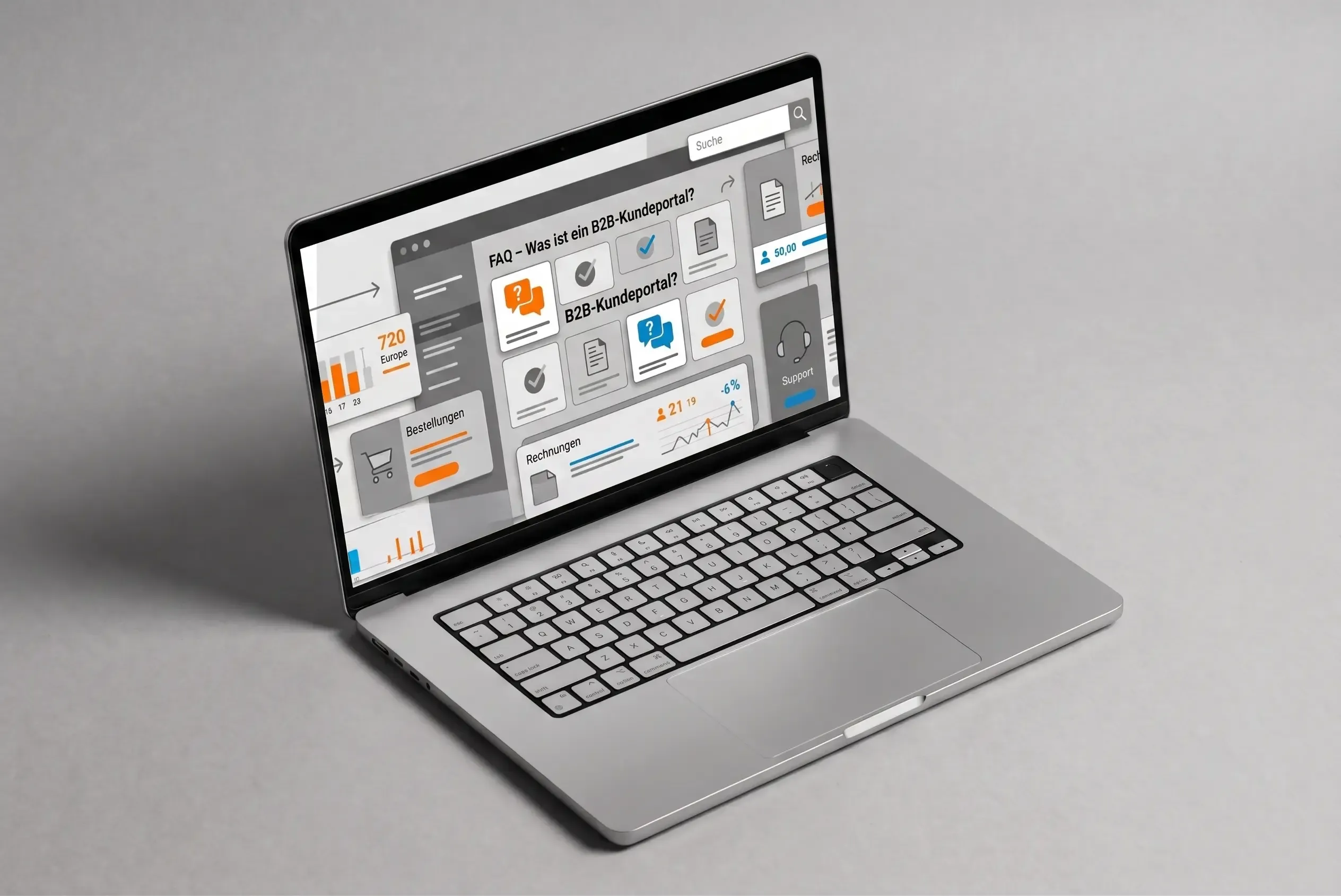
A PXP offers a tailor-made solution that enables manufacturers and retailers to bring their products to life. Through the use of photorealistic images, 3D graphics and videos, products can be presented in context and their features explained in an understandable way. This approach not only creates a deeper connection with the customer, but also makes the purchase decision easier.
Process orientation as the key to success
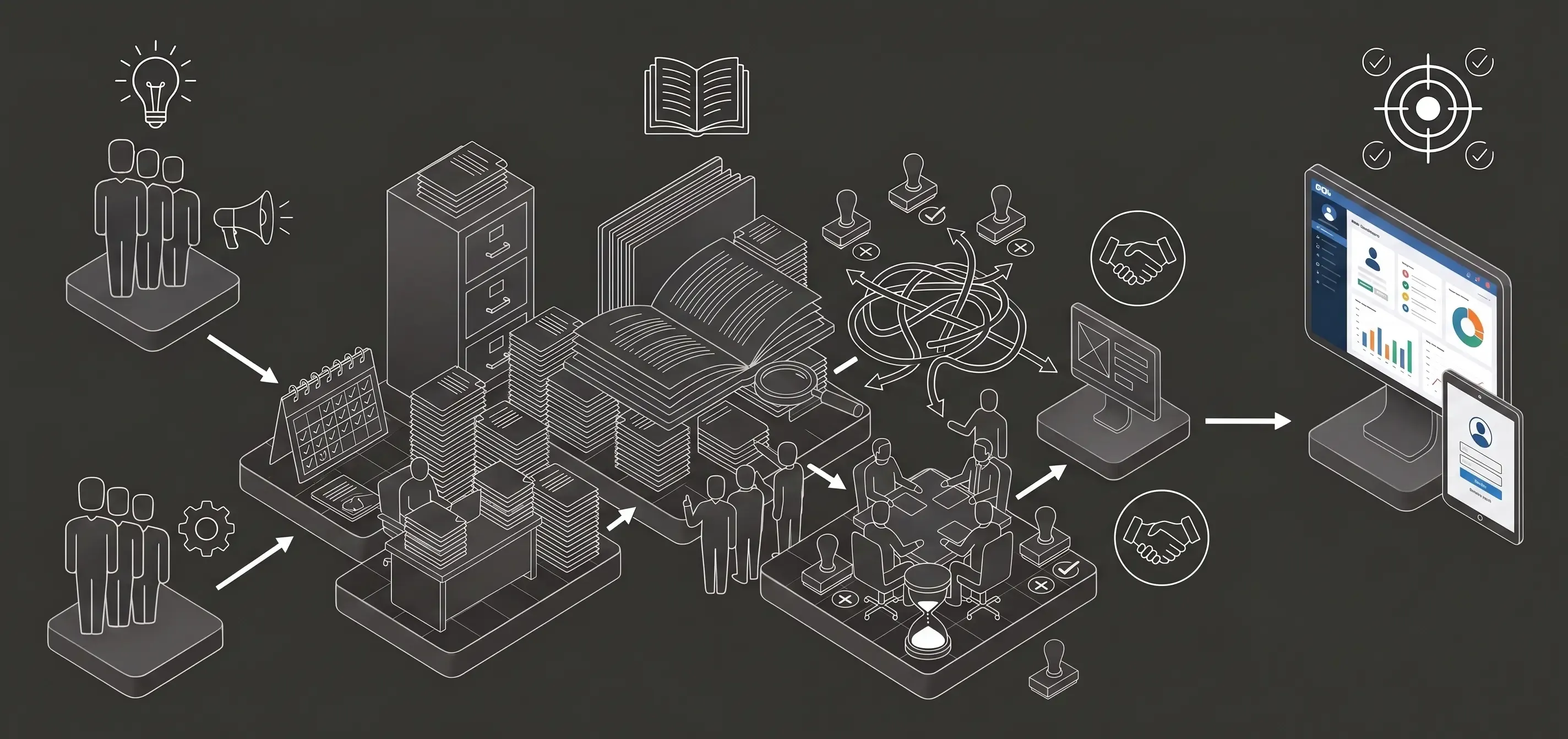
One particularly innovative aspect of PXP is its organisation by process. Instead of simply sorting products alphabetically, the catalogue is structured according to typical workflows in a car repair shop or paint shop. This process-oriented approach transforms the parts salesperson into a solution-oriented process consultant and offers real added value for the customer.
Integration and networking
A PXP does not function in isolation, but must be integrated into a company's existing IT ecosystem. Connection to systems such as ERP or CRM is crucial to ensure smooth order processing and customer relationship management.
The era of purely online product catalogues and apps in the independent automotive spare parts market is over. Anyone who wants to succeed in this highly competitive market must rely on a product experience platform. With its help, manufacturers and dealers can not only showcase their products individually, but also create real added value through a process-oriented approach.