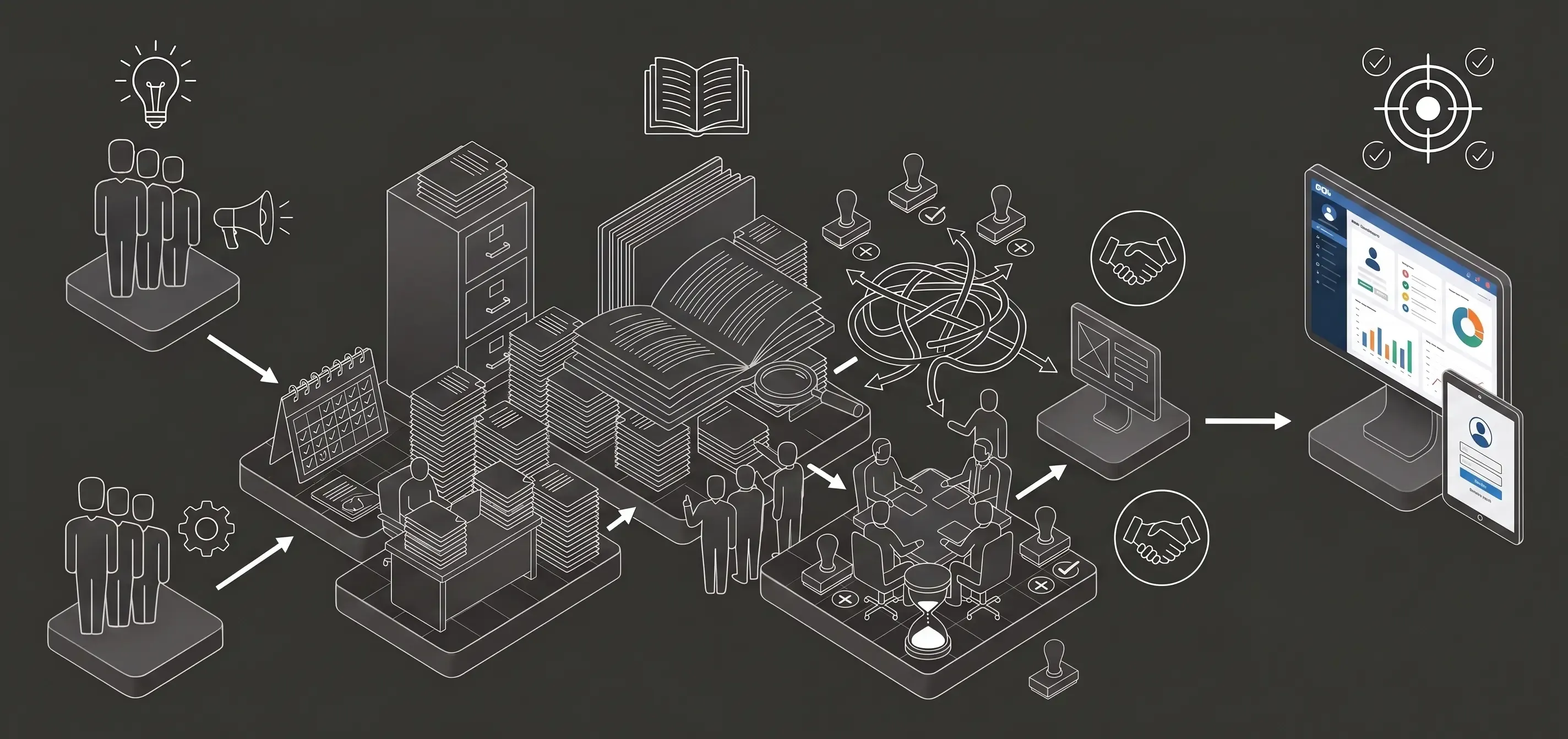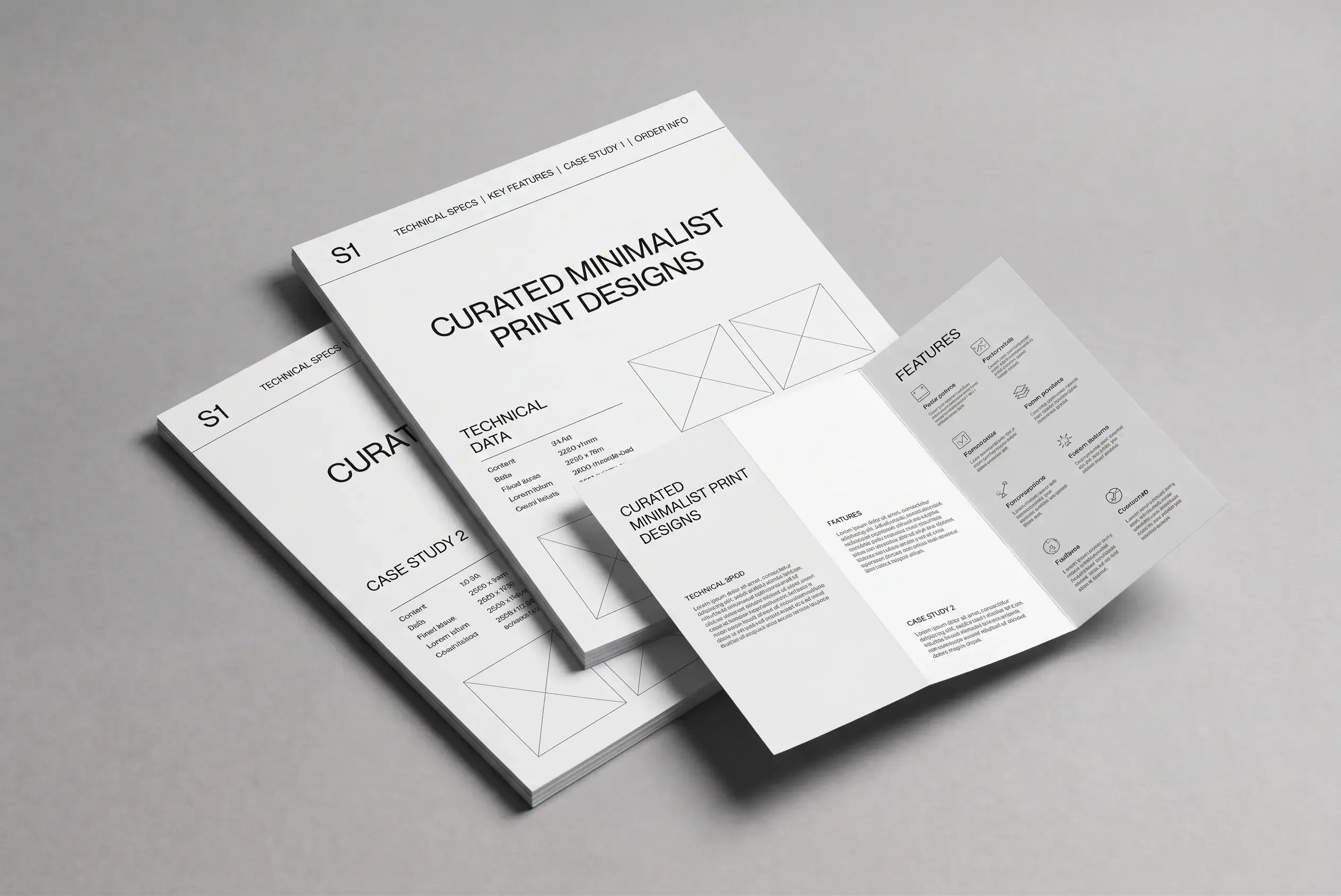
As shown in the image above, this is what our B2B product communication looked like between 2000 and 2010. Every year, we designed 3–10 new product catalogues, price lists, planning documents, etc., and published them in InDesign using highly automated PIM systems, which were still quite straightforward at the time! (In some cases, we also used FrameMaker!)
As early as 2005, we built the first proper online catalogues and online shops integrated into the website. In 2007, the first of our customers began to focus on an ONLINE FIRST strategy in product communication. Every new product, every new application, every new seminar was first published on the WEBSITE or in the ONLINE CATALOGUE and then followed up in PRINT at the next update. In addition to ONLINE, there were also CD-ROM catalogues with PDFs and/or special CD-ROM-compatible applications for catalogues.
Back then, PDF-based online catalogues that could be browsed through also appeared! (It was a quick and inexpensive way to turn a PRINT product into an ONLINE product, but I never really warmed to it!) Do you remember?
Nowadays, every company knows that the first port of call for all existing and new customers is the website and thus the online catalogue or online shop. And it has to be user-friendly, complete, up to date and, ideally, equipped with lots of little tools to support the selection, planning, ordering, operation, assembly and repair of products and solutions – and ideally in every language.
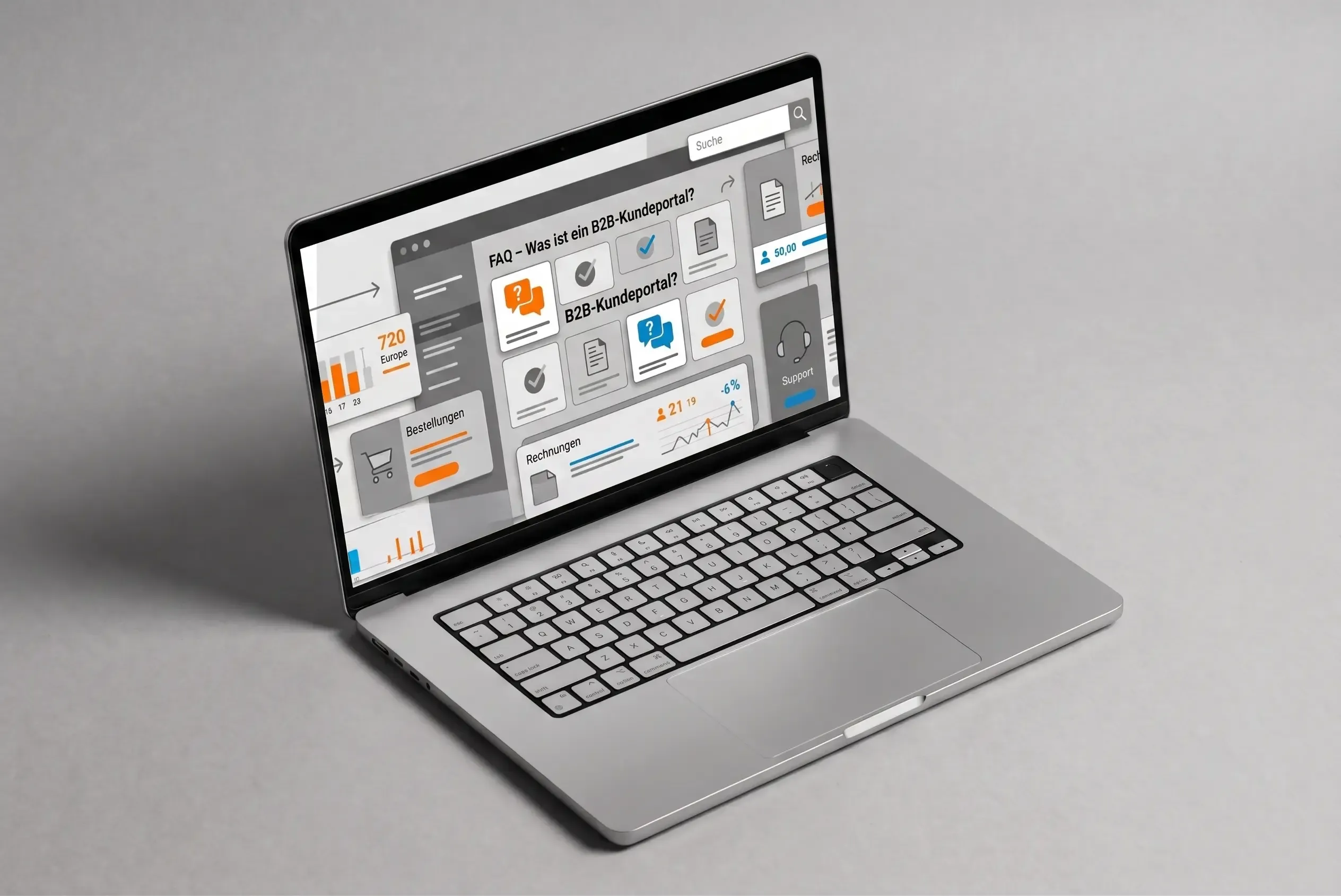
This is precisely the goal of a PXP (Product Experience Platform) and thus a fully integrated platform consisting of PIM, DAM, CMS and SHOP with ERP and CRM connectivity. We have now specialised in this area and here are a few examples.
However, if there are still one or more print catalogues alongside the online platform, it is important to link the media and channels. Deep links, QR codes, etc. are still very well suited to re-educating PERSONAS and guiding them from print to online, where they can then enjoy all the added-value features that PRINT simply cannot offer:
- Search
- Product finder
- Product configurators
- Product comparison
- Memo pad
- Data sheet creation
- Downloads
- Project planning
- Enquiry
- or even orders with customer-specific prices, etc.
These are all typical functions that a PXP must have nowadays! We would be happy to show you some examples!