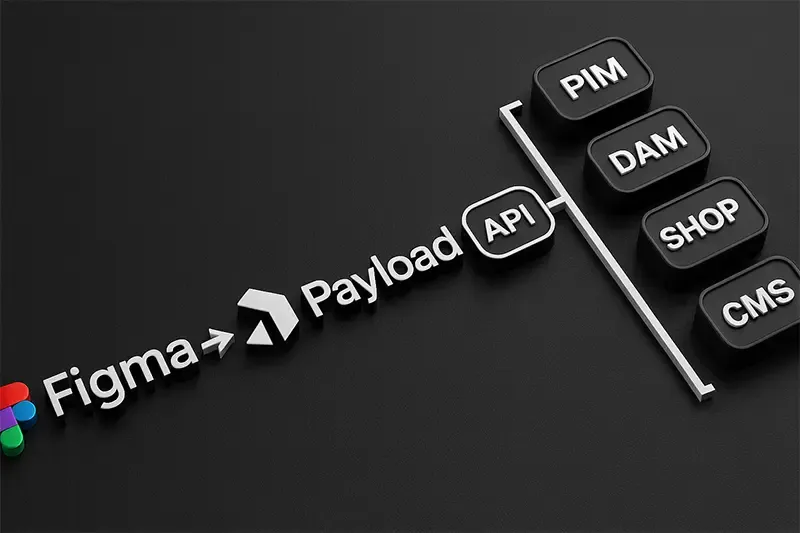
Payload CMS is particularly well suited for MACH architectures (microservices, API-first, cloud-native, headless), especially when it comes to integrating PIM (product information management) and DAM (digital asset management). Here are the main reasons why Payload CMS is considered the ideal CMS and web app builder in this context:
⸻
✅ 1. Headless and API-first architecture
Payload CMS is designed from the ground up as a headless CMS. This means:
Frontend-independent: Content can be delivered to any frontend (web, mobile, IoT) via APIs.
API-first: Every function is accessible via a powerful REST or GraphQL API – ideal for MACH architectures that rely on loosely coupled microservices.
⸻
✅ 2. Cloud-native & self-hosting capable
Payload can be operated cloud-native (e.g. on Vercel, AWS, Azure), but also supports self-hosting, offering maximum control over infrastructure and security.
Ideal for companies that want to combine composable architectures with scalable cloud services.
⸻
✅ 3. Flexibility through custom code
Payload is based on Node.js and allows complete control over backend logic, authentication, data models and integrations.
This makes it particularly suitable for complex integrations with PIM and DAM systems, such as Contentserv, Pimcore or Bynder.
⸻
✅ 4. MACH-compatible integration with PIM & DAM
The API-first strategy allows PIM and DAM systems to be seamlessly integrated.
Content from the PIM (e.g. product data) and assets from the DAM (e.g. images, videos) can be dynamically integrated into Payload and managed.
Ideal for product experience platforms (PXP), as described by INFOLOX, for example.
⸻
✅ 5. Developer Experience & Open Source
Payload offers a modern developer experience with TypeScript, local development, GitOps workflows, and CI/CD integration.
As an open-source project, it is fully customisable and extensible – a major advantage over proprietary CMS solutions.
⸻
✅ 6. Use cases in MACH architectures
E-commerce platforms with headless shop systems (e.g. Shopware, Commerce Layer)
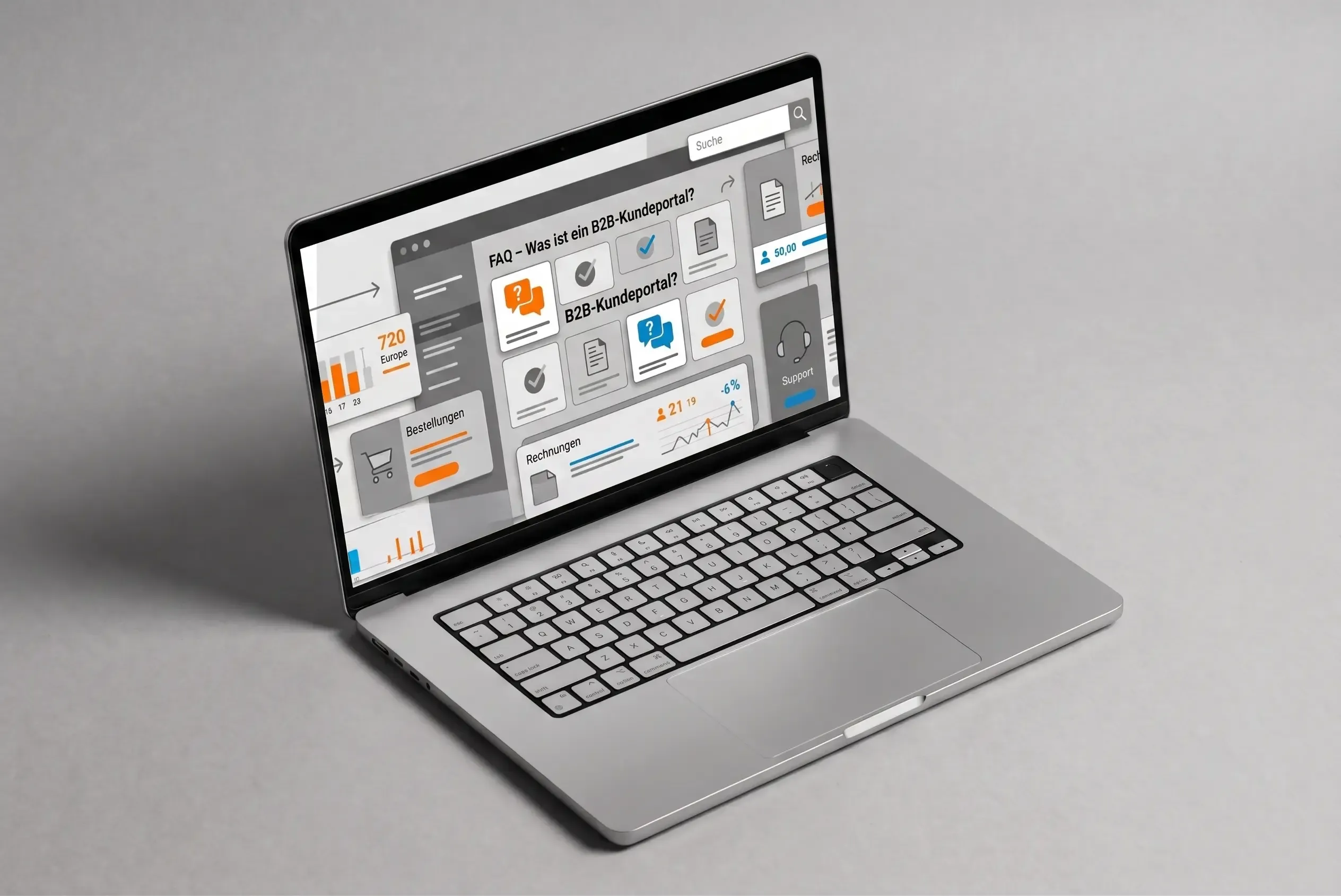
B2B portals with integrated PIM/DAM
Marketing websites with dynamic content and asset management
Multichannel delivery (web, app, POS, IoT)