In the analysis and conception phase of numerous print, online and mobile projects, INFOLOX has been relying on the "personas" methodology for years: Based on guided interviews and the analysis of sample research with our customers' various target groups, such as planners, processors, purchasers, engineers, electricians, fitters, installers, developers, foremen, etc., the ideal users of a target group – the personas – are developed.
The user behaviour identified in this process clearly shows that:
- Print remains the medium of choice for 20–30% of people. Here, the catalogue is at the heart of all information gathering and further decision-making.
- Furthermore, there are 20–30% of digital natives who exclusively use online and mobile channels.
- However, it is crucial that approximately 40–60% of people use all available options – in other words, act as omnichannel users.
Print – value communicator, all-rounder, bridge builder
Against this backdrop, print catalogues are shifting their focus. They are increasingly becoming an extended business card for the company and thus remain an essential image carrier for the brand. The focus here is on the comprehensive and clear presentation of products, services and their applications. In contrast, in-depth information on technical products no longer needs to be included in its entirety in the print catalogue. Since the complex properties of the products and their relationships to one another can rarely be optimally reproduced in print due to the lack of interactivity, but this is easily possible online, the print catalogue is becoming increasingly less important for the further planning, selection and ordering of technical products. Ideally, print serves as a bridge to online and mobile media.
Online (desktop) – Leading in communication, comprehensive, updated daily with additional tools
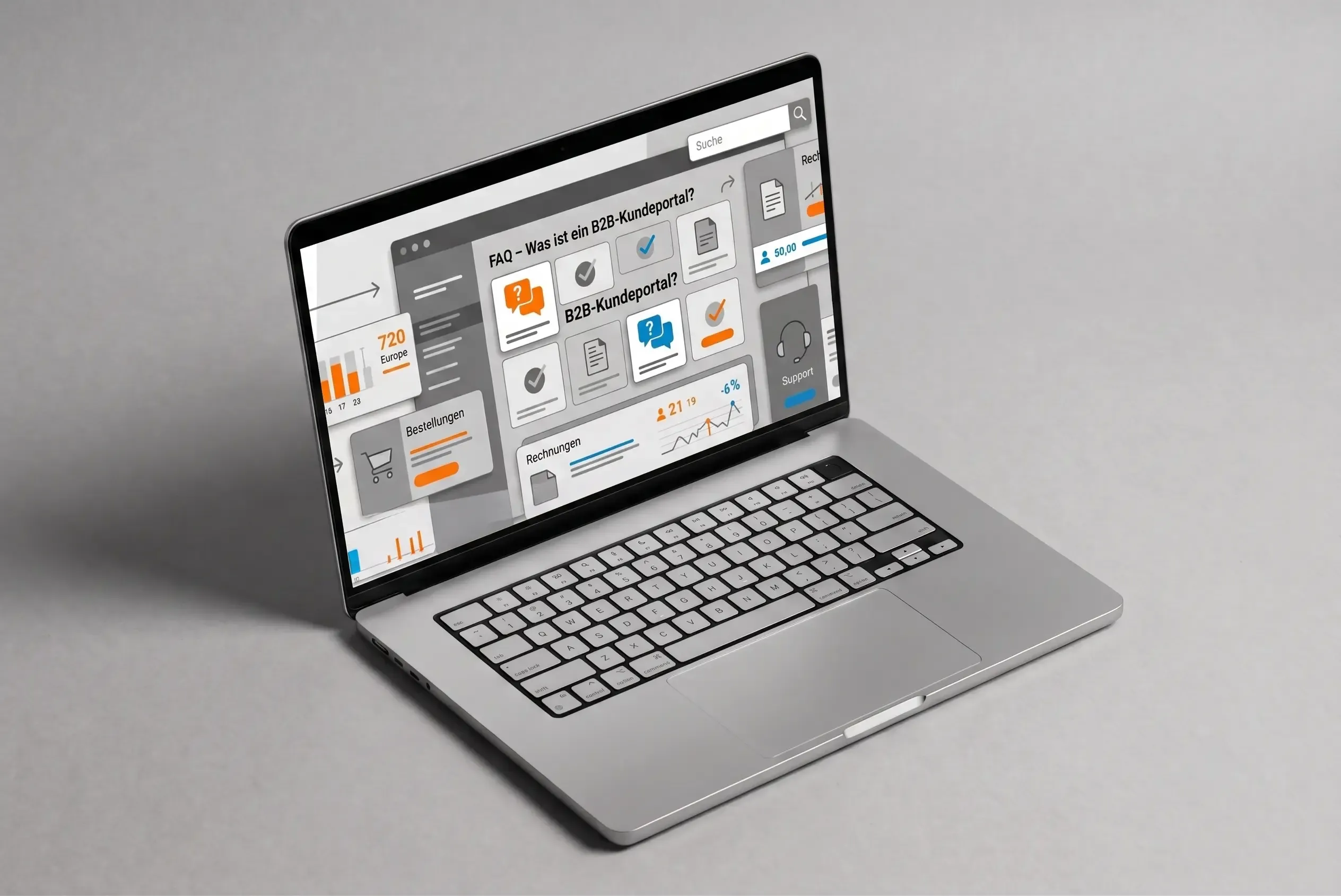
For the majority of personas in all target groups, the website and online catalogue or online shop are the key sources of information – it's "online first!" In the pre-sales phase, customers expect to see a complete overview of the product range online. Selection using product finders and product comparisons, as well as application advice, configuration and ordering, is increasingly taking place online. In the after-sales phase, too, specific information on the installation, operation and maintenance of products, etc. is sought in the media library or download centre.
Smartphones – Mobile information retrieval on the go
Users do not expect to find the same amount of information on their smartphones as they do on their desktop PCs. Instead, they expect the best possible support for using the products (use cases) directly on site during installation or when consulting with field service representatives. The focus is on providing an overview of the products and quick and easy search functions, as well as information on installation, operation and service – supplemented by the contact details of the relevant contact persons in the company or the support hotline. Mobile applications on smartphones (apps) that interact with desktop PCs supplement the product information in the pre-sales and after-sales phases with animations and moving images.
Tablets – replacement and supplement for desktop PCs as a consulting and presentation medium
Users expect to find all the information they need about products and use cases on their tablet. They visit the corporate website, the web catalogue and the web shop, want to download documents, but also expect multifunctional apps like those they are used to on their smartphones. What they want is the full range of information available on a desktop PC, plus apps. And, of course, they want all of this with full functionality and usability adapted to the tablet. The tablet is the ideal companion and advisor in the planning, selection and ordering process, especially for field and customer service staff.
Conclusion
To ensure a targeted presence across all channels, customer expectations for each medium must be precisely identified and met during implementation. This includes interaction between the channels. Only then can an investment in multiple channels become a functioning omnichannel solution with genuine synergies as a decisive competitive advantage.